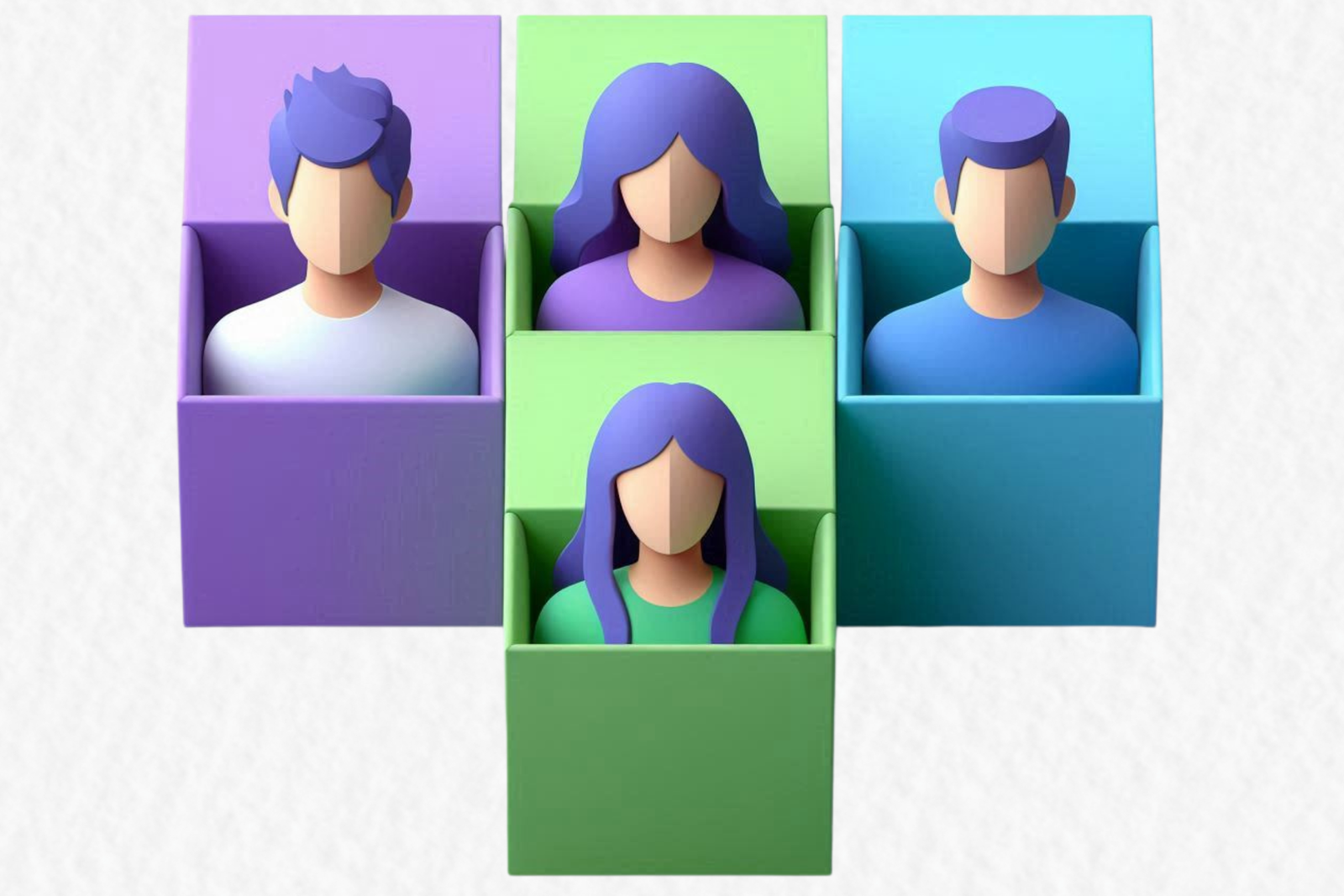
Every day, individuals with disabilities encounter subtle yet pervasive barriers rooted in condescension and low expectations. These attitudes, often unspoken, accumulate over time and profoundly impact self-perception, mental health, and the general quality of life.
Although the diversity of disabilities is vast and complex, the forms of exclusion, discrimination, and prejudice faced are strikingly similar across different disabilities. Without falling into oversimplification, let us explore the significant consequences of stereotypes and prejudices directed at people with disabilities.The Impact of Stereotypes and Prejudice
Employment Discrimination:
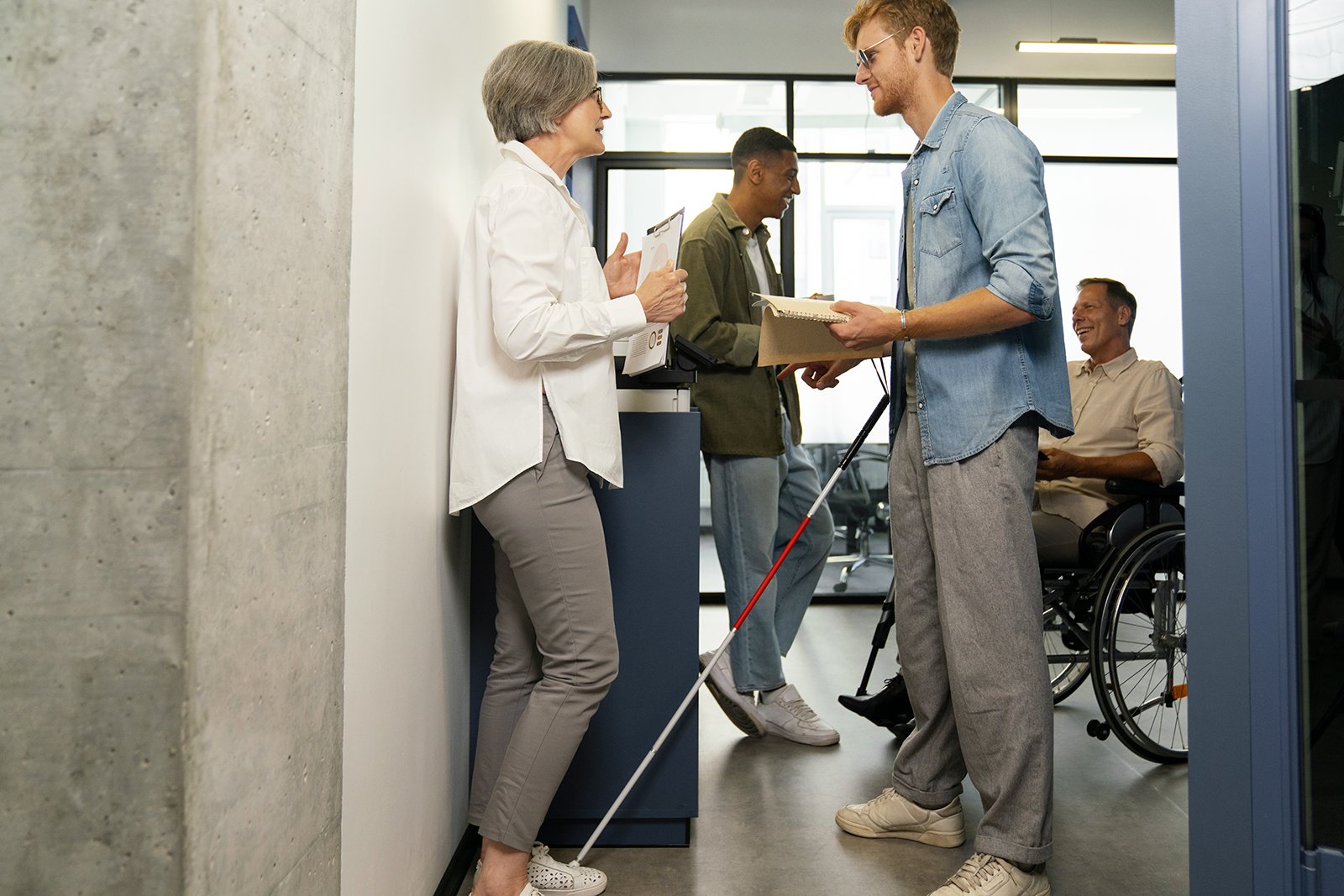
Workplace discrimination remains a pervasive challenge for individuals with disabilities. Many qualified job seekers are unjustly overlooked, stemming from baseless assumptions about their productivity. This not only denies talented individuals access to meaningful career opportunities but also deprives organizations of the diverse perspectives and fresh ideas that drive innovation and sustainable growth.Housing Discrimination:
People with disabilities often face prejudice when searching for housing. Landlords and property owners may dismiss them as potential tenants based solely on their disability, harboring unfounded assumptions that they will struggle to pay rent, maintain the property, or integrate into the community. As a result, people with disabilities are often excluded from rental opportunities, perpetuating inequality in housing access. This form of discrimination undermines their independence and often forces them into shared housing arrangements, where imbalanced power dynamics can further compromise their autonomy and sense of agency.Social Isolation:
Misconceptions surrounding disabilities play a significant role in deepening the social divide between individuals with and without disabilities. Those with disabilities are often unjustly viewed as incapable of meaningful engagement or as a “burden” in social settings. Such stereotypes lead to their exclusion and a perception of them as responsibilities rather than valued companions. As a result, many face social isolation and marginalization. To fulfill their inherent need for connection, some individuals with disabilities turn to the disability community for support and belonging. While these communities provide a nurturing and inclusive environment, they may inadvertently restrict opportunities for broader social interactions. On the other hand, some individuals internalize societal prejudices, fostering feelings of inadequacy and retreating further from social engagement.Sexual and Reproductive Rights:
society frequently overlooks or disregards the sexuality and reproductive aspirations of individuals with disabilities. They are often infantilized and perceived as asexual, hypersexual, or unfit to be partners, parents, or spouses. Women with disabilities face additional hurdles, often being excluded from experiences of femininity, partnership, active sexuality, and motherhood. Alarmingly, practices such as forced sterilization remain legal in some countries, and discriminatory adoption policies persist.Undermining Agency:
Undermining the autonomy of individuals with disabilities often stems from assumptions about their decision-making abilities. Such misconceptions can result in frequent challenges to, or outright limitations on, their independence. It is essential to recognize and respect the agency of every individual—regardless of disability—to nurture self-determination and affirm personal identity.
The Toll of Stigma
The examples highlighted above capture only a glimpse of the pervasive damage caused by prejudice. For individuals with disabilities, the consequences can be life-altering, including diminished socioeconomic opportunities such as reduced access to education, poorer health outcomes, lower employment rates, and higher poverty rates. Moreover, the psychological impact is immense: psychological distress, anxiety, depression, and social isolation are common as individuals navigate a prejudiced society. While research on the mental health effects of stereotypes specific to people with disabilities remains limited, we encourage further exploration of this critical topic to enhance understanding and advocacy efforts. For those interested, here’s a selection of insightful readings:- Haft, S. L., Greiner De Maghalaes, C., & Hoeft, F. (2022). A Systematic Review of the Consequences of Stigma and Stereotype Threat for Individuals with Specific Learning Disabilities. Journal of Learning Disabilities, 56(3), 193-209.
- Pelleboer-Gunnink, H. A., van Weeghel, J., & Embregts, P. J. C. M. (2019). Public Stigmatisation of People with Intellectual Disabilities: A Mixed-Method Population Survey into Stereotypes and Their Relationship with Familiarity and Discrimination. Disability and Rehabilitation, 43(4), 489–497.
- Trani, J. F., Ballard, E., & Peña, J. B. (2016). Stigma of Persons with Disabilities in Afghanistan: Examining the Pathways from Stereotyping to Mental Distress. Social Science & Medicine, 153, 258-265.